

Games as Promises
How to design games that sell in three (very hard) steps.

I hesitated to write this because advice is cheap. Who wants to hear success lessons from creators who don’t have any success themselves? Now that Drop Duchy is out and doing well, I can confidently share the one principle that guided every decision: make a compelling promise, deliver on it, then exceed expectations.
I didn’t invent this framework, but when I came accross it, it instantly clicked. At last, I found an approach to answer the question that obsessed me: how to make a game that resonates with enough players to make a living out of it? Nobody can precisely pinpoint the reasons why certain media achieve the level of success they do, there are so many factors to consider. But I refuse to fall into the nihilism trap that success is all about luck. So I cling to this three-step method for designing Drop Duchy, it worked and so here’s how to apply it to your games as well.

Step 1: Making a Compelling Promise
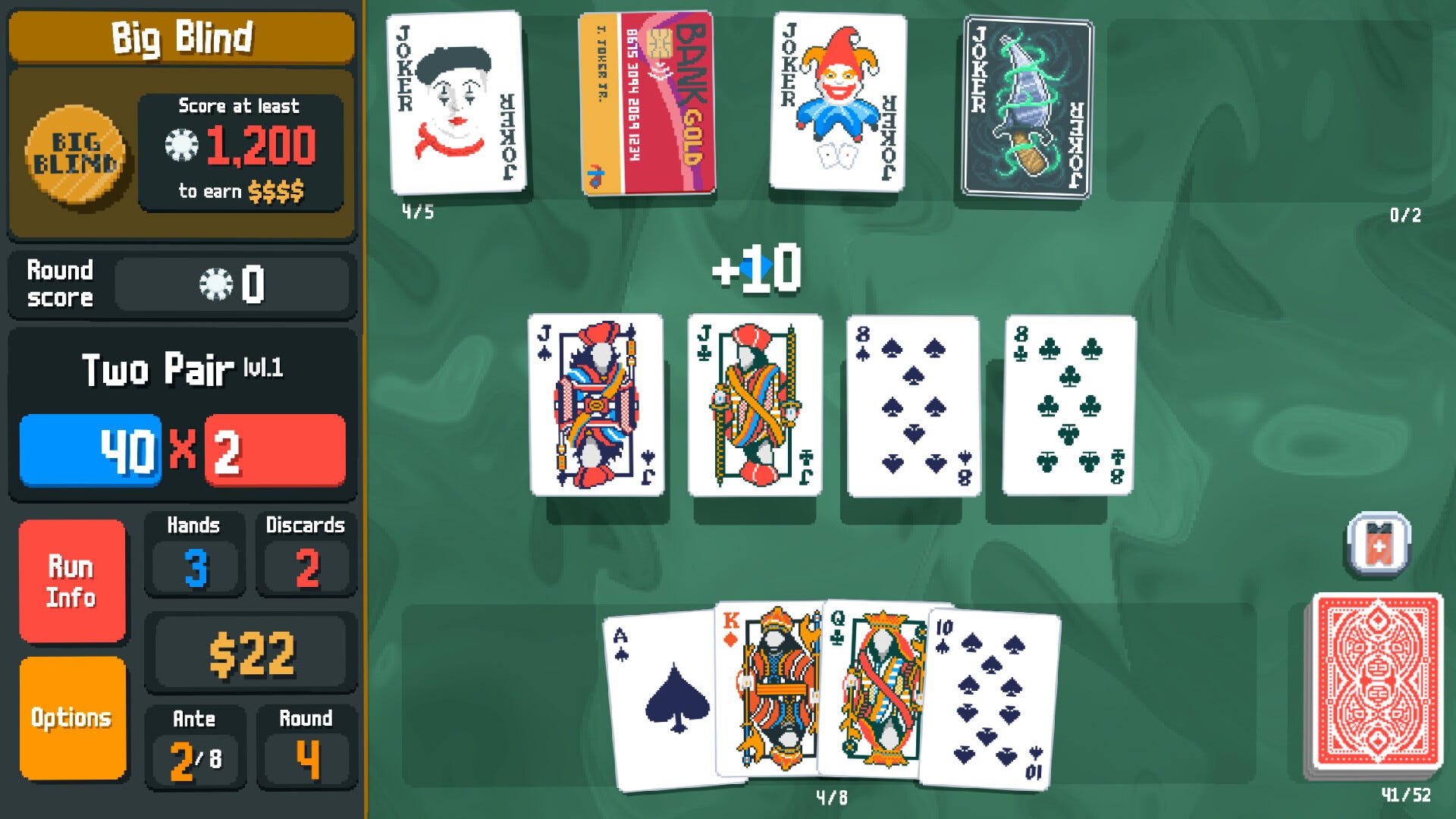
I firmly believe that before you write a single line of code, you need to know precisely how you’re going to catch gamers’ attention. It boils down to two essential components: the genre anchor and the twist. A good promise is simple, concrete, and instantly legible. Balatro did it with “a roguelite where you score poker hands”. Most players know what roguelite and poker are, but how do they combine? That’s the twist that grabs their interest. Drop Duchy has a similar approach: it’s a “tactical kingdom-building puzzle roguelite.” Stray is “a cat adventure game in a futuristic city”. You get it.
Why do lots of indies and AAA studios fumble here? In most cases, I think it comes down to “creative ego”. They either think of a “twist” that only they can appreciate (”it’s set in the super cool universe we’ve created and you play that cool character we wrote that you don’t know yet, but trust me, he’s super cool”). Or, on the contrary, they butcher their anchor, throwing ideas that contradict the experience that this genre’s audience expects.
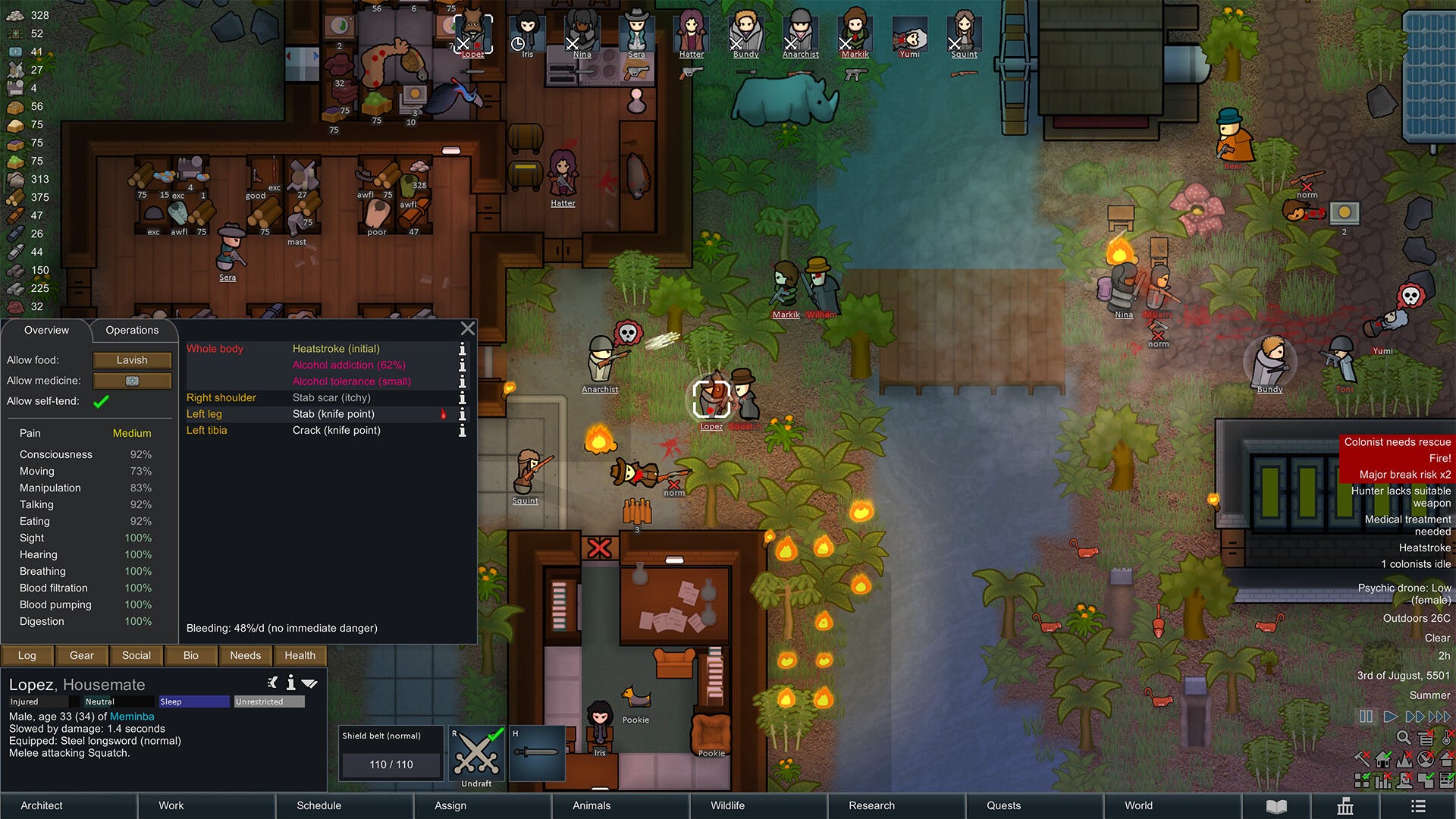
Finding a compelling promise to build your game upon requires good market research. Players have played other titles before yours, and they’re only going to spend money on you if they sense that your game will make them feel the good emotions they already had before. Market awareness isn’t copying, it’s understanding the emotional terrain players inhabit. If you’re making a colony sim, you’d better understand why players love RimWorld’s emergent chaos and why they criticize its micromanagement. Most of your audience has played RimWorld, and those who don’t have little chance of suddenly becoming interested in the genre because of your game.
Speaking of which, not all promises are equal. Some are stronger than others, some resonate with larger audiences, but the most important thing is to be clear about yours because you’ll need it to know what actually to build. I knew from the start that Drop Duchy was going to sell as “tactical depth in a tiny grid,” so my mission was to ensure that everything from the look to the loop reinforces that promise. Without such clarity, development quickly becomes a scattershot of cool ideas with no unifying purpose.

Step 2: Delivering on It
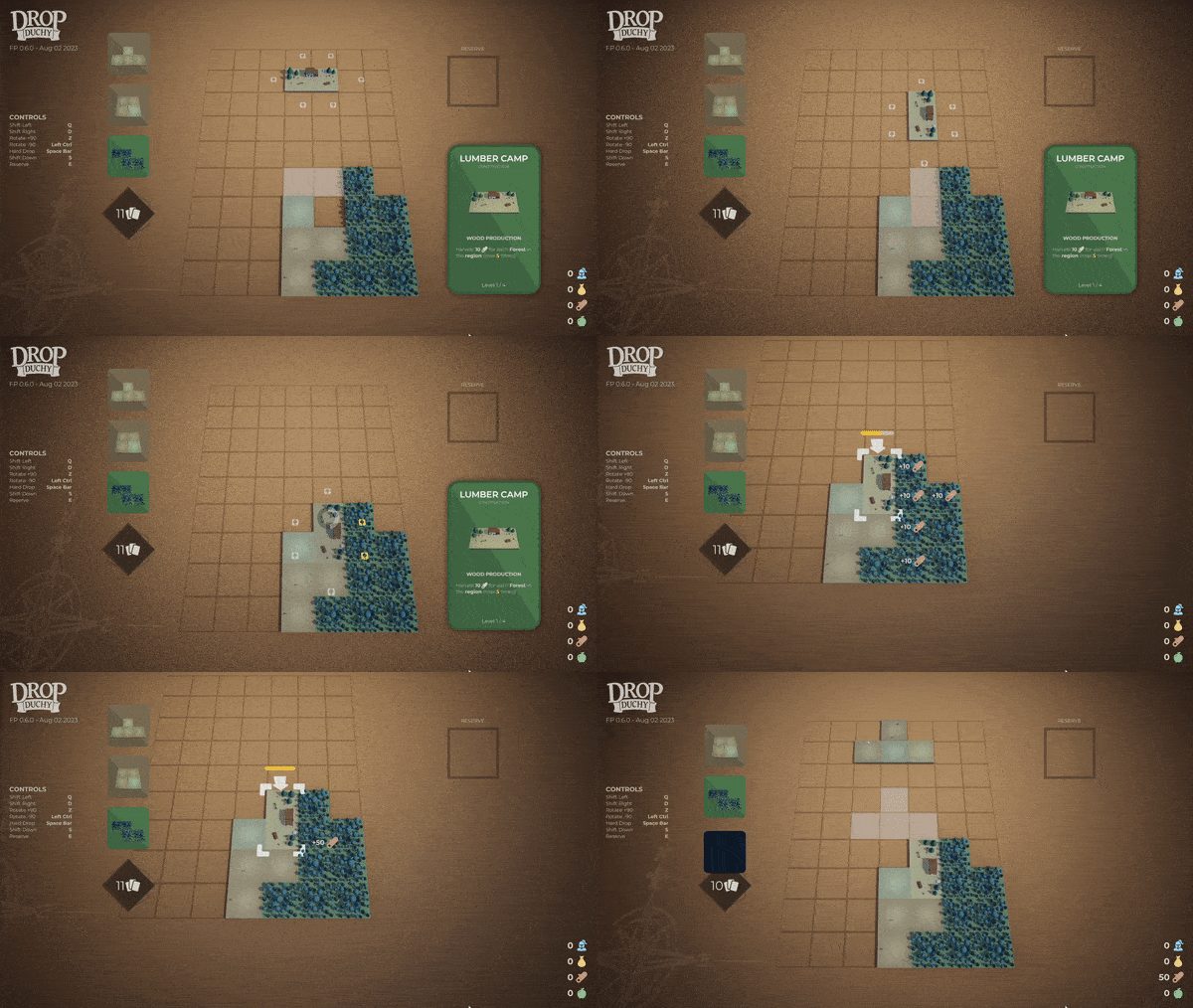
Once you figure out your promise, your next job is to make players feel it immediately. Players should visualize the core fantasy in a single screenshot, in the opening shot of the trailer, and in the first 10 minutes of gameplay. The GIF of Drop Duchy that I was sending to publishers in my pitch email showed sliding a Lumber Camp tile to gather wood from forest, which tells everything there is to know about the game.
That’s why you have to know precisely the promise you’re making: if players come for strategic depth, don’t bury them under long lore cutscenes, give them what they want ASAP. Look at Factorio: no exposition, just automation from the first moment. Or Black Flag: an epic naval battle to kick things off (before marrooning you to reset the progression). If you’re promising incredible boss fights, do not gate that behind 20 hours of creep grinding. That doesn’t mean you can’t add depth to your systems (see step 3), but holding onto your promise for longer than needed is the surest way to disappoint!
Step 2 is also the moment where feasibility matters: you can only promise something you can actually deliver. Too many developers sabotage themselves by making promises that require massive amounts of content or complex systems they don’t have the resources to develop. That’s the reason why you spent time analysing the market’s expectations. For instance, in 2025, competitive multiplayer demands robust matchmaking, balanced gameplay, and anti-cheat measures. If you can’t do it, you’d better rethink your approach (back to step 1!).
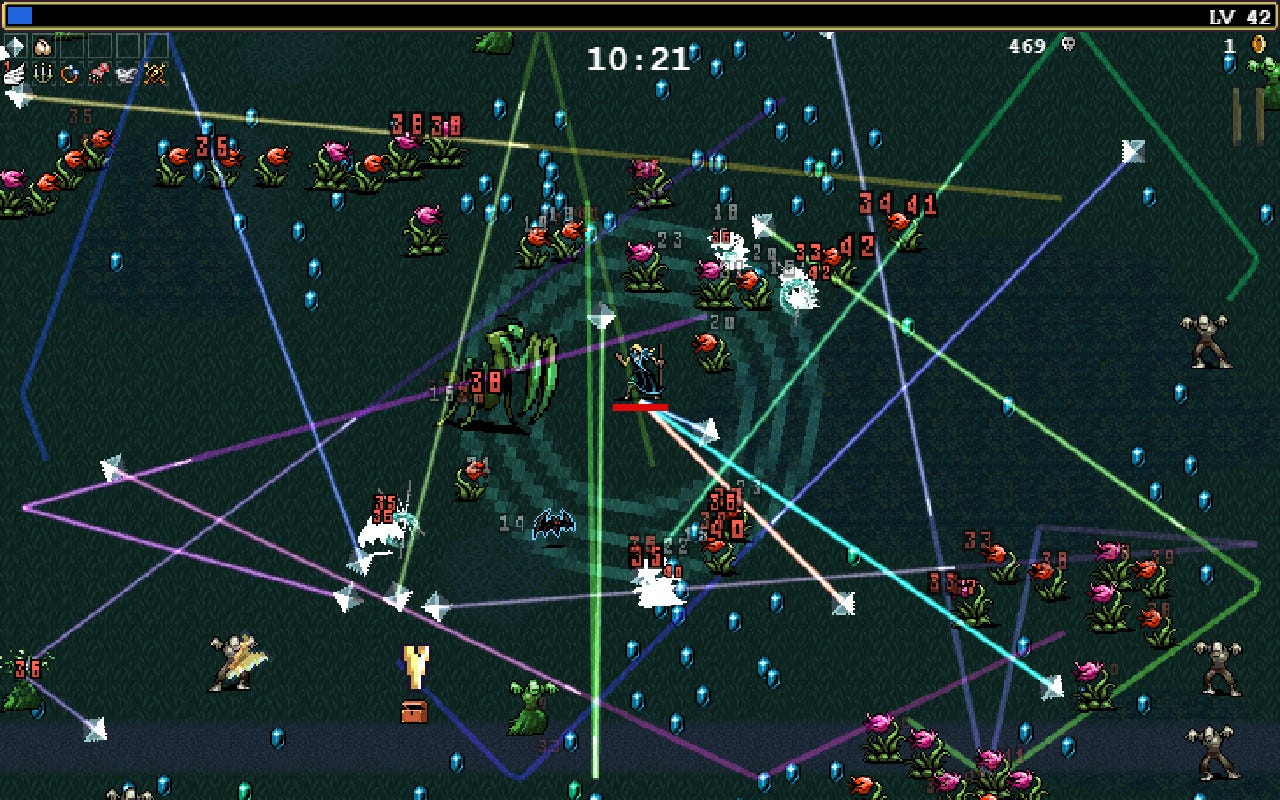
Knowing your promise helps you focus your efforts towards what matters. The guy behind Vampire Survivors knew that his game promised to throw tons of juicy VFX on-screen all at once; he wasted no effort polishing individual sprites. With this mindset, cutting features becomes effortless: anything that doesn’t reinforce the promise can be eliminated. We had many temptations, many suggestions to make Drop Duchy bigger by adding a story or a PVP mode, but we kept its scope focused precisely because we knew what its central appeal was (placing pieces strategically on a rectangular grid). If there’s room to go beyond your promise, that’s good, though, because you’ll need it for step 3.

Step 3: Exceeding Expectations
Once the game fulfills its promise, you earn the right to surprise players. Nothing kills momentum faster than a game whose first two hours are the best ones, then the rest is the same thing rehashed with a different coat of paint. Said otherwise, and I’m paraphrasing Wartales’ game director here, you regularly need to add more code, not just data. Introduce new mechanics, new systems, add rules and modifiers to the existing ones, don’t just repeat the same experience in a different environment.
So, how exactly do you “exceed expectations” when you’re supposed to put most of your efforts into “delivering the promise”? There are two main approaches: surprise and deepen.
Surprising the players is hard to nail down, but it provides the best results if done correctly. The best example that comes to mind here is Portal adding a memorable story to a puzzle game, and doing so at low cost (their story relies entirely on solid voice acting, with no character animation or cinematics).

For most games, Portal 2 included, exceeding expectations comes from deepening the core gameplay loop. To sustain long-term interest, you have to think of elements that enhance the original promise rather than contradict it. For instance, if your game is built around strategic depth like Drop Duchy, the enhancement can be new synergies, new starting conditions, or fresh endgame conditions that require different thinking. What you don’t want is a genre pivot halfway through: a city-builder that suddenly becomes a story-driven RPG, where progress is driven by narrative quests rather than problem-solving.
This one is rarely the issue in modern games because creators tend to have more ideas than they can afford anyway. To find out where you need to invest to deepen your experience, you can either play your own game or read reviews for your closest competitors: you’ll easily grasp why their players didn’t stick out longer.

Wrap-Up
Summarizing “good game design” in a single article is impossible, but I hope this framework will help you step back from the projects you’re making and find clarity. Thinking in terms of “promises” helps me tremendously, as you can tell. I think I’m even somewhat addicted to it now; everything I see is a promise. Each game is a promise, but then each part of the game is also its own promise.
Whatever you’re doing, you’re setting expectations, and your responsibility as a creator is to fulfill them. The worst is that you’ll be held accountable even if you don’t realize you’re making a promise! How did I learn that? Well, I’ve worked (twice) on Skull and Bones, a game that uses pirate imagery to sell itself but doesn’t offer boarding or sword-fighting mechanics.
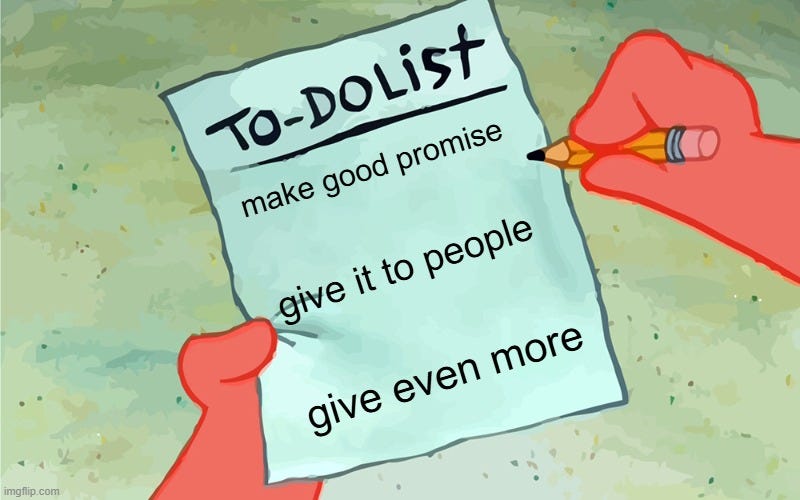
Yeah I feel like this is a really important core idea for both marketing and game design
Honestly, a story mode for Drop Duchy wouldn’t be a bad idea at all. DLC maybe?